Training you can use under pressure.
Sessions are built around demonstration and practice, not a long lecture and a handout. You should leave able to do the work, explain it to someone at home, and know what to practice next.
Request a seat or a private session (/contact)
Small groups. Clear objectives. Honest reps.
Classes are kept small enough that everyone gets time on the skill. Each session has written objectives, a block of instruction, and enough practice to show whether the skill is actually there.
The practice also offers tabletop planning exercises, situational exercises, and events. Private sessions for a household, a church, a company, or a team can be arranged on a mutually workable date. Open sessions will be posted here when dates are set.
What we teach
Dates, length, price, and exact outlines will be posted as each course is confirmed. If you do not see a fit, write anyway.
Principles of preparedness and resiliency
A foundation session for a household, a church, or a team: how to think about risk, what to practice first, and how to build a plan you will actually use. Can be tailored to the group.
Household and family preparedness workshop
Roles, go/stay decisions, a written plan, and a short, honest kit review. You leave with a plan you can finish at the kitchen table.
Medical first response and bleeding control
Assessment, bleeding control, and what to do until professional help arrives. Taught from the standpoint of a fire medic, within that scope. This is skills training, not a license, unless a specific certification is named.
Communications for households and teams
A simple communications plan; license-free options; amateur radio fundamentals; what a net is and how to be useful on one; and where mesh and other off-grid tools fit—and where they do not.
Mountain travel and fieldcraft
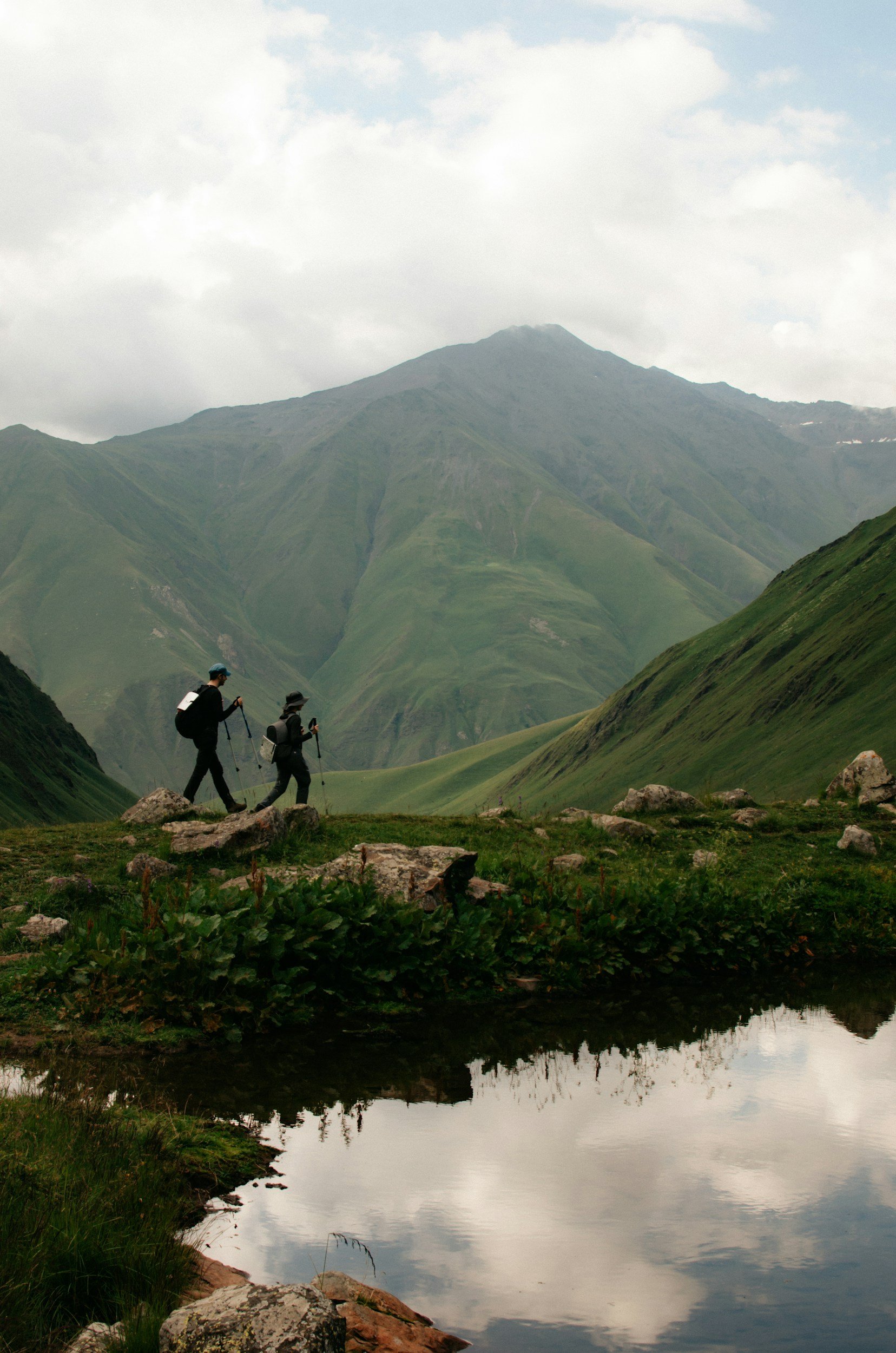
Judgment in the high country: movement, shelter, weather, navigation, and the small decisions that keep a day in the field from becoming a rescue.
Team, church, or company seminar
A 3–6 hour tailored session: presentations, resources, hands-on work, and practical exercises. Topics can include communications, medical, tactics, grid-down planning, or continuity of operations. Price: quoted from the public day-rate range of $500–$2,000, depending on length, location, and group size.
Tabletop and situational exercises
Facilitated scenarios for a household, a leadership team, or a crew already working together. The aim is to test the plan, not to surprise people for its own sake.
If a course is not yet scheduled: no public date is set. Inquire to be notified, or to ask about a private session.
Before you sign up
Come ready to work with your hands and to take notes. A packing list will be sent for field sessions.
Tell us ahead of time about any limitation that would affect your participation in a physical session. We will say if a course is not a fit.
Training can be canceled or moved for weather, fire danger, or an emergency call-out. If that happens, you will be offered a new date or a refund.
A plain note on scope
Homeland Resilience training is educational. It does not create a professional duty, and it is not a substitute for calling 911, for fire or EMS services, or for certified medical, technical, or rescue programs unless a specific credentialed course is named above.
You are responsible for how you use what you learn.
Ask about an upcoming date, or request a private session.
Include your city, the course you have in mind, and whether you are writing for yourself, a household, a church, or a team.
Get in touch (/contact)